
Elevate your living experience
Elevate your living experience

“Alexa, turn on the lights.” Or… tap your phone screen instead.
It’s the question every smart home user eventually asks, is voice control better than app control?
Both methods have their fans, and both have their frustrations. But as smart homes become more intuitive, the way we interact with them says a lot about our habits, preferences and even our personalities.
Smart home usability isn’t just about technology, it’s about behaviour.
According to user experience research shared on Reddit’s r/SmartHome, users tend to fall into two categories:
Interestingly, many users switch between both depending on context: – voice for quick actions, apps for detailed settings.
Voice control appeals to emotional convenience (“I want it now”), while app control appeals to cognitive control (“I want to see what’s happening”).
Voice control is the face of modern smart homes. It’s fast, accessible, and feels futuristic.
Why users love it:
Common frustrations:
Social media trends show how users personalise voice commands, like “Alexa, it’s movie night” to dim lights and start Netflix.
App control remains the backbone of smart home management. It’s reliable, detailed, and ideal for users who like to see what’s happening.
Why users love it:
Common frustrations:
Pinterest users often share aesthetic smart home dashboards showing lighting, temperature, and energy stats all in one screen, a visual way to stay in control.
The trend? Hybrid control, using both methods interchangeably.
Voice commands dominate quick, emotional interactions (“turn on lights”), while apps handle logical tasks (“set thermostat to 20°C at 7 AM”).
The most satisfied users are those who combine both, voice for spontaneity and app for structure.
Click the Images or Buttons to Shop!

Combining voice and visual control, the Echo Show lets you talk to Alexa and manage devices through its touchscreen.
It’s the perfect hybrid, voice convenience with app-style precision.
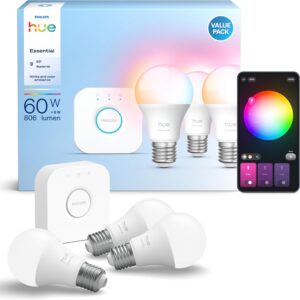
Control your lighting via voice or app, or both. Hue bulbs integrate seamlessly with Alexa, Google, and Apple HomeKit.
It’s a great example of flexible usability, using voice for ambience, and app for scheduling.

Open or close your curtains using voice commands or the SwitchBot app – ideal for morning and night routines.
It’s a lifestyle upgrade that shows how voice and app control can coexist beautifully..
UX experts predict that voice and app control will merge into unified experiences.
Imagine saying “Alexa, set the lights how I like them”, and your app automatically adjusts brightness based on your previous patterns and used colours.
Voice will handle emotion and spontaneity; apps will handle data and precision. Together, they’ll create homes that feel both intuitive and intelligent.
The future isn’t about choosing one. It’s about blending both seamlessly.
Voice control brings freedom. App control brings focus.
The smartest homes use both, letting you speak when you want speed and tap when you want detail.
Whether you’re a talker or a tapper, the goal is the same: effortless living powered by technology that understands you.
Is voice control replacing app control?
Not yet, most users still rely on apps for detailed settings and troubleshooting.
Which is more secure: voice or app control?
App control offers more privacy, but voice assistants are improving with better encryption and local processing.
Can I use both at the same time?
Yes, most smart ecosystems support hybrid control. You can speak commands and adjust settings in the app simultaneously.
Do voice assistants work offline?
Some basic commands do, but most require internet access for full functionality.
Which is better for accessibility?
Voice control is ideal for users with mobility challenges, while apps suit those who prefer visual feedback.
Will future smart homes rely more on voice?
Likely, but apps will remain essential for complex tasks and data insights.
HomeSmarti participates in the Amazon Associates programme. We may earn a small commission from qualifying purchases at no extra cost to you.