Elevate your living experience
Elevate your living experience
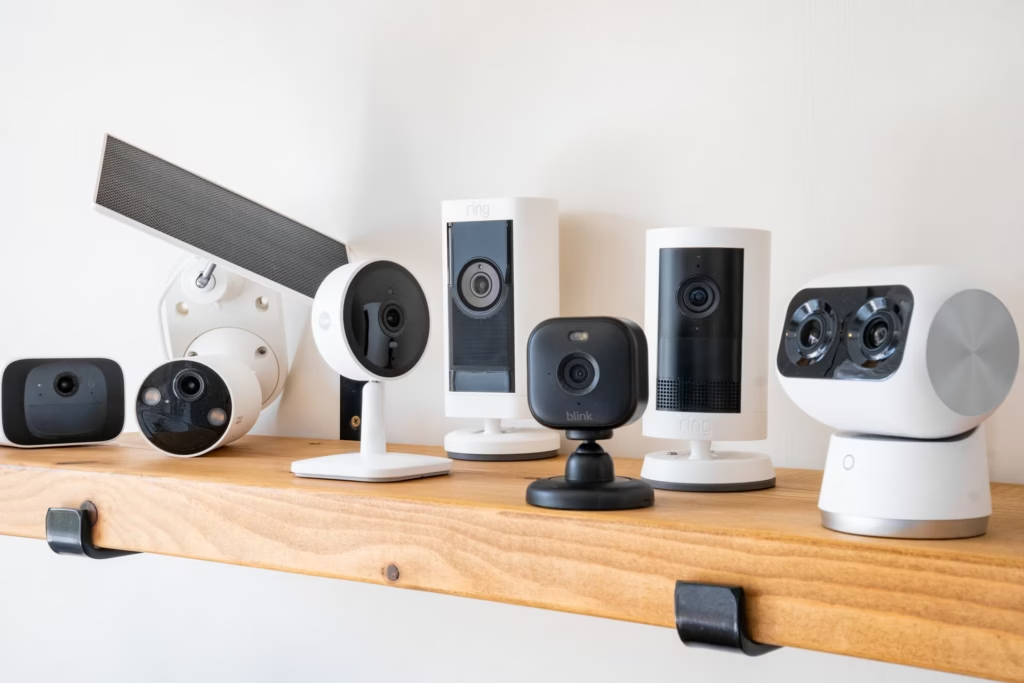
Smart homes promise convenience, lights that respond to your voice, thermostats that learn your habits, cameras that keep watch while you’re away. But behind the comfort, a question keeps surfacing across Reddit threads and Twitter debates: is your smart home actually spying on you?
It’s a question that hits differently now that our homes are filled with microphones, sensors and cameras. People want the benefits of automation without feeling like they’ve traded privacy for convenience.
Every connected device collects data. That’s how it learns your preferences and automates routines. But the same data can reveal patterns, when you’re home, when you sleep, even what you say.
Smart speakers record snippets to improve voice recognition. Cameras store footage in the cloud. Thermostats track temperature changes so they can optimise energy use. Smart TVs log what you watch and when. Even smart plugs quietly record usage times.
It’s not paranoia, it’s design. The trade‑off is simple: convenience versus control. You get a home that anticipates your needs, but you also give up a slice of your privacy in return.
Most people underestimate how much information their devices gather.
Each piece of data seems harmless on its own, but together it paints a detailed picture of your daily life: when you wake up, when you leave, when you relax, and even how often you’re home.
The issue isn’t just data collection, it’s the data sharing. Many brands share anonymised data with third parties for analytics or advertising. But “anonymised” doesn’t always mean safe. Patterns can still identify individuals.
Across Reddit and Twitter, users often describe that uneasy moment when their smart speaker responds to a private conversation or their camera uploads footage they didn’t intend to share. It’s not about being paranoid, it’s about recognising that your home is now part of a data ecosystem.
The emotional reaction is valid. People want smart homes, not surveillance systems. The line between helpful and invasive is thinner than most realise.
You don’t need to ditch your devices, just use them smarter.
Disable unnecessary microphone or camera access. Many devices default to “always on” modes that you can easily turn off.
Choose devices that record to SD cards or NAS instead of the cloud. Local storage keeps your footage in your hands and not uploaded.
Keep smart devices on a guest or IoT network to limit exposure. If one device is compromised, it won’t affect your main devices.
Manufacturers often add new data options quietly. Make it a habit to check settings after updates.
Use push to talk or manual activation when possible. It’s a small change that makes a big difference.
Outdated software is the easiest way for hackers to exploit devices. Keep everything current. Check for updates weekly
Myth 1: “If I’m not famous, no one cares about my data.”
Reality: Data is valuable for patterns, not personalities. Companies don’t need your name – they need your habits.
Myth 2: “Local storage means total privacy.”
Reality: It’s safer, but still vulnerable if your network isn’t secure. Encryption matters just as much as location.
Myth 3: “Smart devices only record when active.”
Reality: Many buffer audio or video before activation. That’s how they respond instantly when you say a command.
Myth 4: “Privacy mode means nothing is stored.”
Reality: Privacy mode usually limits sharing, not collection. It’s a partial fix, not a full solution.
Privacy isn’t just technical – it’s emotional. It’s about trust. When people say “my smart home feels like it’s spying on me,” they’re expressing a loss of control. The home is supposed to be the one place where you can relax without being observed.
That’s why this topic sparks so much debate online. On Reddit, users share stories of cameras that recorded unexpected footage or smart assistants that chimed in during private conversations. On Twitter, people argue about whether convenience is worth the trade‑off.
The truth is, smart homes aren’t inherently bad for privacy – they just require awareness. The more you understand what your devices do, the more you can shape how they behave.
Here’s a quick checklist to keep your smart home secure and private:
These small steps add up to a big difference. You don’t need to be a tech expert – just a little proactive.
If you’re building a privacy‑conscious setup, start with devices that prioritise local control and transparency.
Click the pictures or buttons to shop!
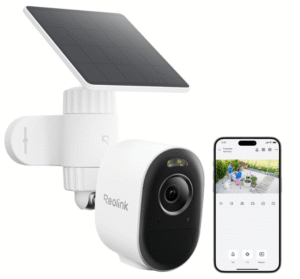
Solar‑powered smart camera with local storage and no forced cloud subscription. Ideal for privacy‑conscious setups that still want reliable outdoor monitoring.
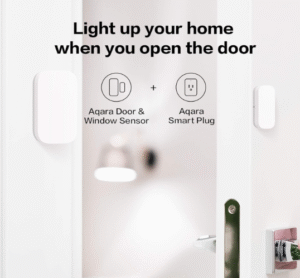
Compact sensor that integrates smoothly with Home Assistant and keeps data local – perfect for those avoiding cloud‑based tracking.
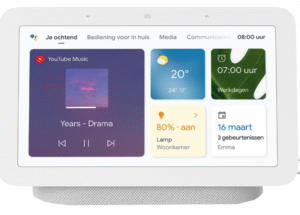
Smart display with built‑in privacy controls, including a physical mic switch and local voice processing for basic routines.
Your smart home isn’t necessarily spying on you, but it’s definitely watching, listening and learning your habits. The key is knowing what it collects and how to control it.
Smart living should feel empowering, not invasive. The more you understand your devices, the more you can enjoy the convenience without sacrificing peace of mind.
Privacy isn’t about fear; it’s about choice. You can have a connected home that respects your boundaries, it just takes a little awareness and a few smart decisions.
Is my smart home safe?
Mostly yes, as long as you secure your network and manage permissions properly.
Do voice assistants record everything?
They listen for wake words, but some data is stored. You can delete recordings in your app settings.
Can hackers access my smart devices?
Only if your passwords are weak or firmware is outdated, both easy fixes.
Read Next:
HomeSmarti participates in the Amazon Associates programme. We may earn a small commission from qualifying purchases at no extra cost to you.