
Elevate your living experience
Elevate your living experience
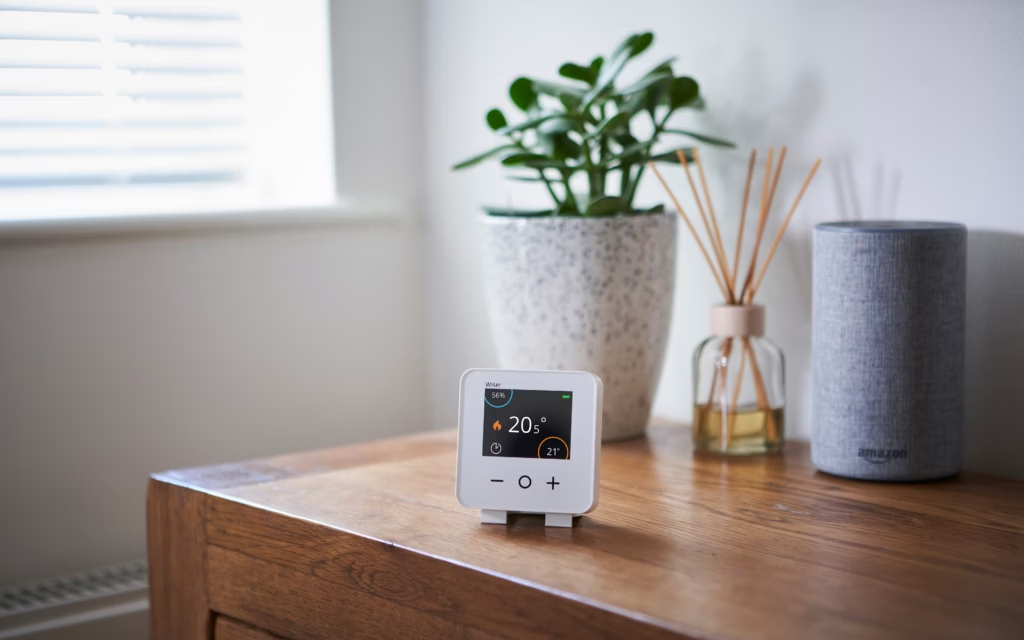
Smart homes aren’t just about convenience, they’re about efficiency. From automated lighting to intelligent heating, modern devices are helping households cut energy use and lower bills without sacrificing comfort.
With rising energy costs and growing environmental awareness, more UK homeowners and renters are turning to smart technology to make their homes greener and more affordable.
In this guide, we’ll explain how smart homes save energy, explore the most effective devices and show how small changes can lead to big savings.
Energy prices have climbed sharply in recent years, and sustainability has become a top priority for households.
According to Google Trends and UK energy forums, searches for “reduce bills smart home” and “energy‑saving devices” have surged since 2025. People want practical solutions that help them save money while reducing their carbon footprint.
Smart home technology offers exactly that, automation that learns your habits, optimises usage, and eliminates waste.
Smart devices save energy in three main ways:
Smart plugs, bulbs, and thermostats can turn off automatically when not needed. You can schedule lights to switch off at bedtime or heating to reduce when you’re out.
Energy‑tracking devices show exactly how much power you’re using. Seeing the numbers helps you make smarter decisions, like unplugging idle appliances or adjusting temperature settings when they are visible reminders.
AI‑powered systems learn your routines and adjust accordingly. For example, a smart thermostat might lower heating when it detects you’ve left home, then warm up again before you return.
These small optimisations add up, and save significant amounts of energy over time.
Heating accounts for the largest portion of household energy use. Smart thermostats and radiator valves help manage it efficiently.
They allow you to:
Lighting is another easy win for energy savings.
Smart bulbs use LED technology, which consumes up to 80% less energy than traditional bulbs. They also allow dimming, scheduling, and motion‑based activation, ensuring lights are only on when needed.
You can even group lights by room and control them all at once, reducing unnecessary usage.
Smart plugs help eliminate “phantom power”, which is the energy wasted by devices left on standby.
By scheduling or remotely switching off appliances, you can prevent unnecessary consumption.
Smart appliances, such as washing machines and dishwashers, can also run during off‑peak hours when electricity is cheaper, further reducing costs.
If you’re wondering where to begin, these beginner-friendly devices offer the easiest way to start saving energy!
Click the pictures or buttons to shop!
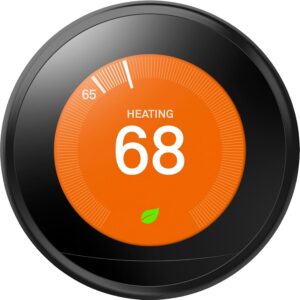
This thermostat learns your schedule and adjusts heating automatically, helping you save energy without thinking about it.
It’s one of the most effective ways to reduce heating costs and improve comfort.
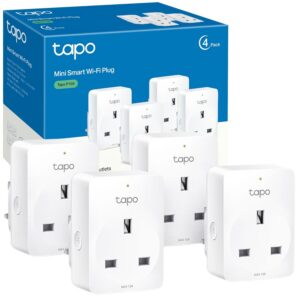
This plug tracks energy use and lets you switch appliances off remotely, preventing wasted power.
Affordable, accurate, and ideal for monitoring everyday devices.
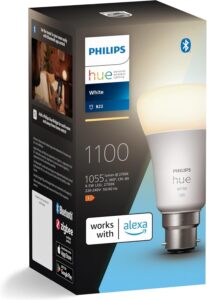
Energy‑efficient LED bulbs that can be scheduled, dimmed, and grouped for maximum control.
They combine sustainability with style – perfect for eco‑conscious homes.
Smart homes don’t just save money, they help save the planet.
By reducing unnecessary energy use, households lower their carbon emissions and contribute to a more sustainable future for all.
Smart technology makes sustainability practical, not just idealistic.
Do smart homes really save money?
Yes. Most users see noticeable reductions in energy bills within the first few months.
Which smart devices save the most energy?
Smart thermostats and lighting systems typically offer the biggest impact.
Can smart devices help reduce carbon emissions?
Absolutely. Lower energy consumption means fewer emissions from power generation.
Do I need expensive equipment to start?
No, affordable smart plugs and bulbs can make a big difference.
Will smart devices work with renewable energy systems?
Yes. Many integrate with solar panels and smart meters for optimised energy use.
Are smart homes environmentally friendly?
Yes, they promote sustainable living by reducing waste and improving efficiency.
HomeSmarti participates in the Amazon Associates programme. We may earn a small commission from qualifying purchases at no extra cost to you.